info@smilevegasdental.com

Missing a molar doesn’t just affect your smile. It changes how you chew, shifts your remaining teeth, and triggers bone loss in your jaw that accelerates with time. If you’ve lost a back tooth, you know the frustration of avoiding certain foods or feeling self-conscious about the gap.
A molar teeth implant offers a permanent solution that goes beyond cosmetics. Unlike bridges or dentures, dental implants restore your natural chewing function, preserve jawbone health, and feel completely natural. They become part of your mouth, not something you remove or worry about slipping.
This guide walks you through everything you need to know about molar implants. You’ll discover how the procedure works, what to expect during recovery, and whether you’re a good candidate. By the end, you’ll have the clarity to make an informed decision about replacing your missing molar with a lasting, functional restoration.
What is a Molar Teeth Implant?
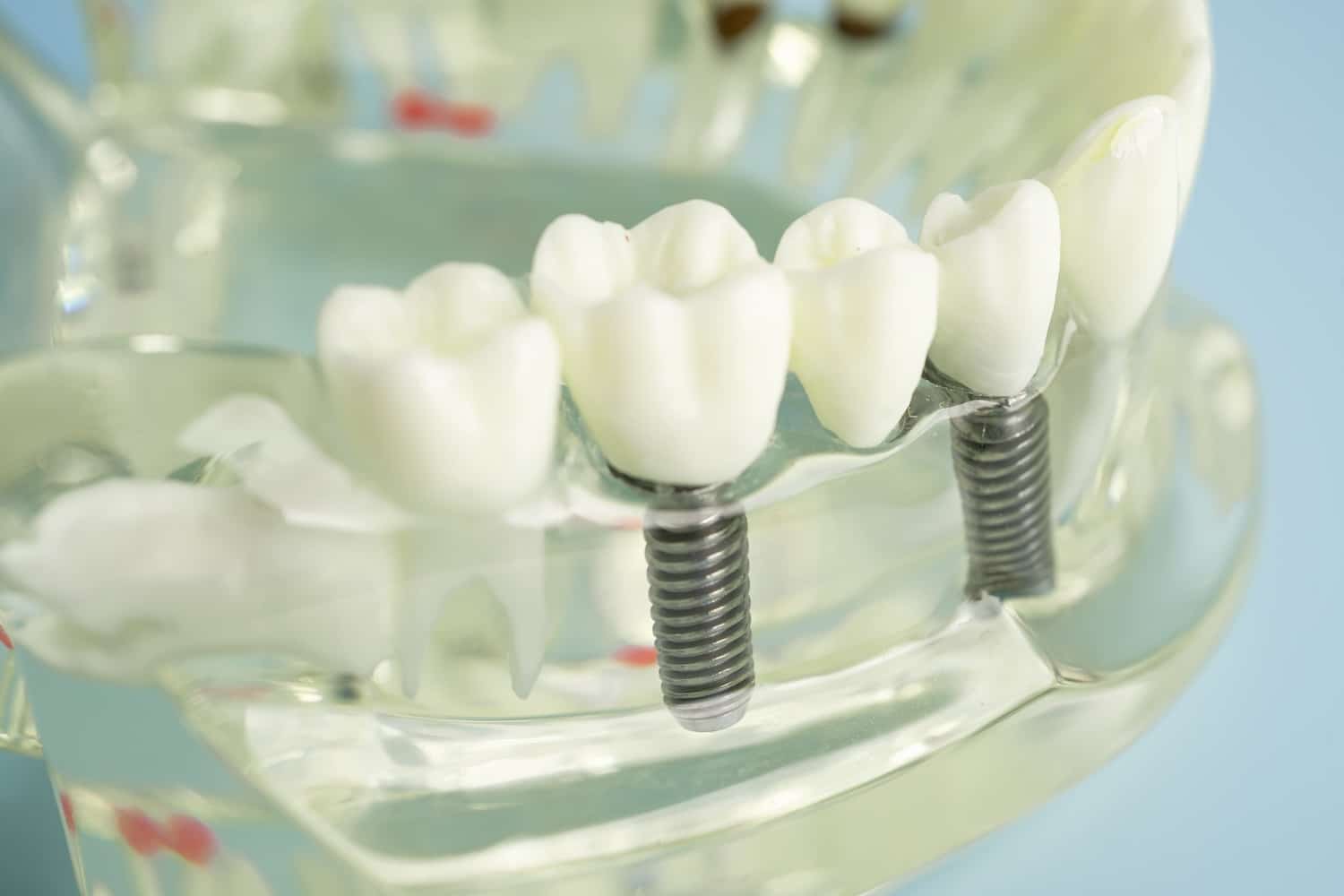
A molar implant is a dental implant used to replace one of your molars, the powerhouse teeth responsible for chewing and keeping your other teeth in line. The implant consists of three main components: a titanium post surgically placed into the jawbone, an abutment that connects to the post, and a custom dental crown that functions as your replacement tooth.
Unlike bridges or dentures, molar implants prevent bone loss and feel natural during everyday use. They restore your ability to chew properly and protect nearby teeth from shifting or additional damage.
Benefits of Molar Implants for Chewing and Oral Health
Replacing a missing molar with an implant offers significant advantages for your overall oral health. You regain full chewing function, allowing you to eat foods you may have avoided with a gap or removable prosthetic. Implants also stimulate the jawbone, preventing the bone loss that occurs when teeth are missing.
Healthy gums are essential to the success of your implant. Gum tissue supports the implant and protects it from infection, making proper oral hygiene critical for long-term durability.
Who is a Good Candidate for Dental Implants?
Good candidates have sufficient jawbone density, healthy gums, and overall good oral health. You should be able to commit to excellent home care and regular dental visits. Conditions like uncontrolled diabetes or active periodontal disease may require treatment before proceeding.
Even smokers can receive molar implants, though quitting improves healing and success rates significantly. If you lack adequate bone density, bone grafting can build sufficient support, adding time to your treatment but ensuring stability.
Main Parts of a Dental Implant System
Every dental implant system includes three essential components working together:
- Titanium post: The artificial root surgically anchored into your jawbone
- Abutment: A connector piece that attaches the post to the crown
- Dental crown: The visible tooth replacement, custom-made to match your natural teeth
Materials Used: Titanium vs. Ceramic
Titanium implants are the industry standard, offering proven durability and biocompatibility with bone tissue. Ceramic implants provide a metal-free alternative for patients with sensitivity concerns, though they’re less commonly used for molars due to lower success rates in high-stress areas.
Your dentist will recommend the best material based on your specific needs and jawbone condition.
Initial Consultation and Evaluation
Your journey begins with a comprehensive evaluation using advanced diagnostic tools. A panoramic X-ray provides an overview of your jawbone and adjacent teeth, while 3D imaging through CBCT (Cone Beam Computed Tomography) gives precise measurements of bone density, height, and width.
This detailed imaging ensures your dentist can plan the implant placement accurately and identify any anatomical concerns like sinus proximity or nerve locations.
Preparation Steps
Before implant placement, any severely damaged or decayed teeth must be extracted. If your jawbone lacks sufficient density, bone grafting rebuilds volume to support the implant securely. This preparation phase typically takes several weeks to months, depending on your individual needs.
Implant Placement Surgery
The surgical procedure itself takes 30 minutes to a few hours, performed under local anesthesia or IV sedation for your comfort. Your periodontist or oral surgeon creates an opening in the gum, carefully positions the titanium post into the jawbone, and closes the area with stitches.
Minimal discomfort is typical, managed with over-the-counter pain relief during the first few days.
Healing and Osseointegration Process
After surgery, the implant undergoes osseointegration, where the titanium fuses with your jawbone. This critical process takes 3 to 6 months, during which a temporary restoration protects the area and maintains your bite function.
Getting dental implants involves multiple steps over several months to ensure optimal healing and stability. During this time, avoiding hard foods and following post-operative care instructions is essential.
Abutment and Final Crown Placement
Once osseointegration is complete, a healing cap is removed and the abutment is attached to the implant post. Your dentist then places your custom-made dental crown, which is precisely color-matched and shaped to blend seamlessly with your natural teeth.
Post-Procedure Care Tips
Maintain your molar implant with these essential habits:
- Brush twice daily with a soft-bristled toothbrush
- Floss around the implant to remove food debris
- Avoid smoking and tobacco products
- Schedule regular dental checkups every six months
- Avoid chewing on hard objects like ice or hard candy
- Use an antimicrobial rinse if recommended by your dentist
Common Myths About Implants
Many people worry that implant surgery is painful or excessively risky. In reality, modern implant procedures are performed under anesthesia with minimal discomfort. Serious complications like infection or nerve damage are rare when placed by experienced specialists.
Another misconception is that implants require no maintenance. While they don’t decay, implants need the same daily care as natural teeth to prevent gum disease and ensure long-term success.
Diagnostic Tools and Technologies
Advanced imaging technologies make implant planning precise and predictable. CBCT scans provide three-dimensional views of your jawbone, helping your dentist determine the exact implant size, angle, and depth for optimal outcomes.
Sedation Options
Your dentist offers several sedation choices to ensure your comfort during surgery. Local anesthesia numbs only the surgical area, while IV sedation provides deeper relaxation for anxious patients. Discuss your preferences during your consultation.
Factors Affecting Success Rates
Implant success rates exceed 95 percent in most cases, but several factors influence outcomes. Overall health, bone quality, gum health, and your commitment to oral hygiene significantly impact long-term durability. Smoking and uncontrolled diabetes can reduce success rates, making pre-treatment management important.
Choosing a board-certified specialist with extensive implant experience also improves your outcomes and reduces complications.
Timeline Variations and Same-Day Options
The standard implant process takes 3 to 6 months from consultation to final crown placement. However, some patients qualify for accelerated protocols or same-day implants if bone density permits. Your dentist will discuss which timeline works best for your situation during your evaluation.
Long-Term Maintenance for Lifetime Durability
With proper care, molar implants can last 20 years or longer, often lasting a lifetime. The key is treating your implant like a natural tooth: brush, floss, and visit your dentist regularly. Avoid habits like grinding your teeth or chewing on hard objects that can damage the crown.
Frequently Asked Questions
How long does the full molar implant procedure take?
The complete process spans 3 to 6 months, including healing time, though surgery itself takes 30 minutes to a few hours.
Are molar implants painful?
Performed under local anesthesia or sedation, the procedure causes minimal discomfort managed by over-the-counter pain relief.
What if I don’t have enough jawbone?
Bone grafting can build sufficient density, adding months to preparation but ensuring implant stability and long-term success.
Can smokers get molar implants?
Yes, but quitting before and after surgery improves healing and significantly increases success rates.
How do molar implants differ from bridges or dentures?
Implants prevent bone loss and feel like natural teeth, unlike bridges that require grinding adjacent teeth or dentures that slip and require adhesives.
Restore Your Smile and Chewing Function
Molar teeth implants offer a durable, natural-feeling solution for missing back teeth. By restoring your ability to chew and supporting your jawbone health, implants prevent complications and preserve your facial structure for years to come.
Ready to explore whether a molar implant is right for you? Schedule a consultation with Smile Vegas Dental for personalized planning with advanced 3D imaging. Our experienced team will evaluate your needs and create a treatment plan tailored to your goals. Contact us today at /contact/ to begin your journey toward a complete, functional smile.


