info@smilevegasdental.com

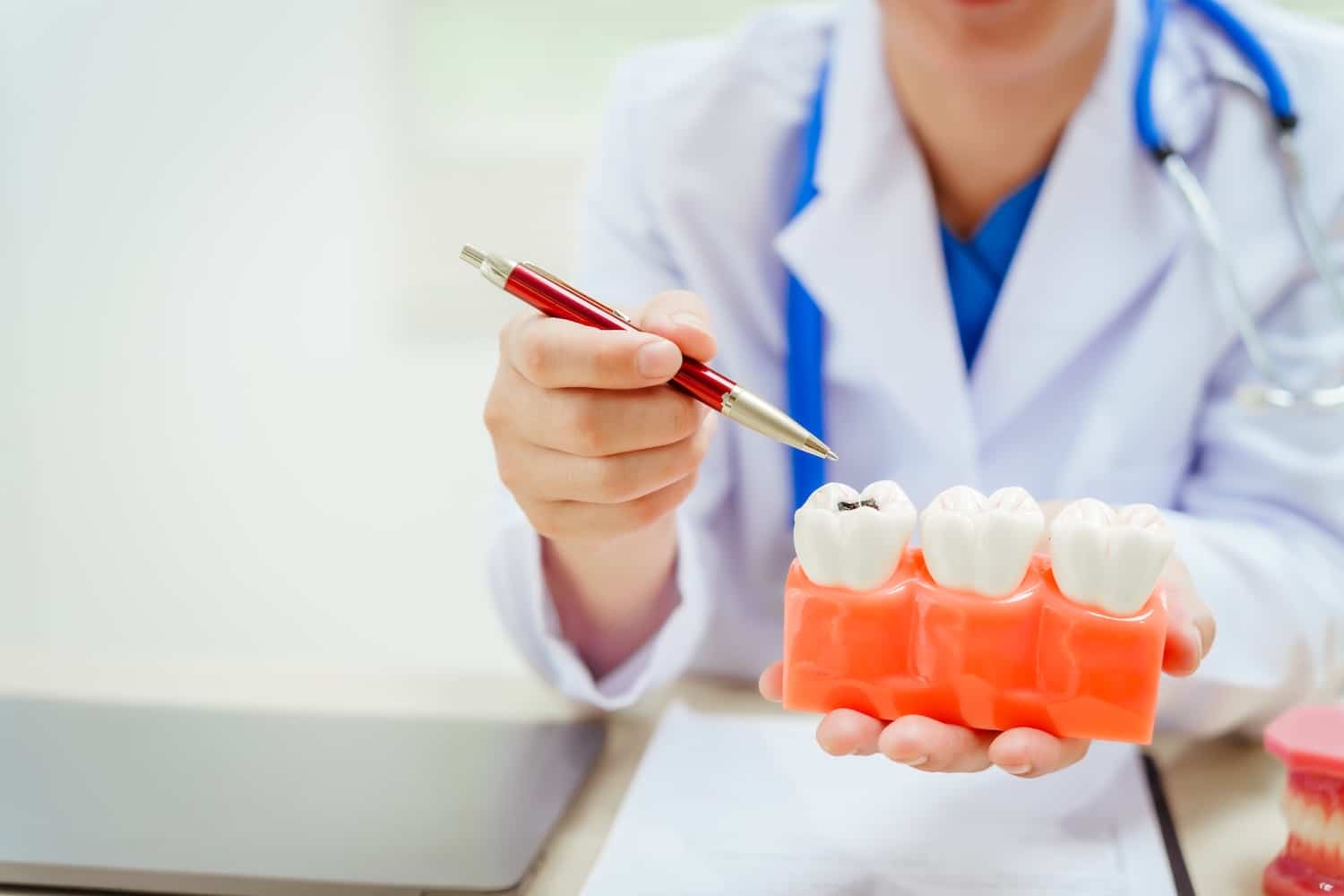
Cavities affect millions of Americans every year, yet nearly all of them are completely preventable. Despite this simple fact, tooth decay remains one of the most common chronic diseases in the United States, affecting people of all ages from young children to older adults. The good news is that understanding how to prevent cavities doesn’t require complex medical knowledge or expensive treatments. It comes down to consistent daily habits, smart dietary choices, and evidence-based strategies that strengthen your teeth and stop decay before it starts.
This guide provides you with practical, science-backed methods to protect your teeth and avoid the pain, expense, and complications of cavities. You’ll learn why fluoride matters, how plaque and acid attacks damage your enamel, and exactly what steps you can take today to prevent tooth decay. Whether you’re looking to stop cavities from forming in the first place or prevent existing decay from getting worse, the strategies outlined here are grounded in research from trusted sources like the CDC, Mayo Clinic, and the National Institute of Dental and Craniofacial Research. By the end, you’ll have a clear action plan for how to prevent cavities and maintain a healthier smile for life.
How to Prevent Cavities: Evidence-Based Strategies for Lasting Oral Health
What Are Cavities and the Tooth Decay Process?
Cavities, also called tooth decay, are permanently damaged areas in the hard surface of your teeth that develop into tiny openings or holes. They form when bacteria in your mouth produce acid that attacks tooth enamel, the protective outer layer of your teeth. This process, known as enamel demineralization, occurs when plaque (a sticky biofilm) builds up on teeth and feeds on sugars and carbohydrates you consume. Understanding this tooth decay process is the first step toward effective prevention.
Why Prevention Matters
Tooth decay is the most common chronic disease in the United States, affecting people of all ages. The good news is that early-stage decay can be reversed or stopped before it becomes a permanent cavity. By taking action to prevent cavities from getting worse, you avoid costly dental treatments, pain, and potential tooth loss. Prevention through daily habits and professional care is always simpler and more affordable than treating advanced decay.
Key Components of Cavity Prevention
The Role of Fluoride in Strengthening Enamel
Fluoride is a mineral that prevents tooth decay from progressing and can even reverse early tooth decay. It works by strengthening enamel and making teeth more resistant to acid attacks. Fluoride toothpaste and fluoridated water are the most common sources. When you use fluoride products consistently, you give your teeth the mineral protection they need to stay healthy.
Impact of Plaque, Bacteria, and Acid Attacks
Dental plaque removal is critical because plaque contains harmful bacteria that produce acids. These acid attacks on teeth occur within minutes of eating or drinking sugary foods. Without regular brushing and flossing, plaque hardens into tartar and accelerates decay. Understanding this cycle helps explain why consistent oral hygiene is non-negotiable.
Dietary Sugars and Snacks as Decay Triggers
Every time you consume sugary or acidic foods and drinks, you expose your teeth to a 20-minute acid attack. Frequent snacking without rinsing amplifies this risk. Choosing sugar-free snacks and limiting between-meal eating protects your enamel from constant assault.
Step-by-Step Guide to Prevent Tooth Decay
1. Brush Twice Daily with Fluoride Toothpaste
Brushing your teeth is one of the simplest, yet most effective ways to prevent cavities. Brush for at least two minutes using a soft-bristled toothbrush and fluoride toothpaste. Make it a habit after meals and before bed to remove plaque and protect enamel.
2. Floss or Use Interdental Cleaners Daily
Brushing alone cannot reach the tight spaces between teeth. Daily flossing or using interdental cleaners removes plaque in these areas, reducing decay risk significantly. This step is essential for how to prevent dental cavities effectively.
3. Drink Fluoridated Water and Rinse After Meals
Fluoridated water from your tap provides continuous mineral protection. After eating or drinking, rinse your mouth with water to wash away food particles and neutralize acids. This simple habit prevents prolonged acid exposure.
4. Limit Sugary and Acidic Foods and Drinks
Cut back on candy, soda, and acidic beverages. When you do indulge, consume them quickly rather than sipping throughout the day. Choose sugar-free alternatives and water-based snacks instead.
5. Visit Your Dentist for Regular Checkups and Cleanings
Professional dental checkups catch early decay before it becomes a cavity. Your dentist can also apply fluoride varnish or recommend pit-and-fissure sealants for added protection. Regular visits every six months are a cornerstone of prevention.
Common Cavity Prevention Myths
Myth: Brushing Alone is Enough
While brushing is crucial, it only cleans 60 percent of tooth surfaces. You need flossing and fluoride to achieve comprehensive cavity prevention.
Mistake: Frequent Snacking Without Rinsing
Grazing throughout the day exposes teeth to repeated acid attacks. Eating meals and snacking strategically, then rinsing, protects your enamel.
Misconception: All Water Prevents Cavities Equally
Only fluoridated water offers decay-fighting benefits. Bottled water often lacks fluoride, so choose tap water or fluoride mouth rinse for optimal protection.
Tools and Resources for Success
Invest in quality cavity prevention tools: a soft-bristled toothbrush, fluoride toothpaste, dental floss, and a water flosser if brushing between teeth is difficult. For advanced protection, ask your dentist about fluoride varnish or sealants. Adopt a tooth-friendly snack framework featuring sugar substitutes and calcium-rich foods like cheese and yogurt.
Advanced Tips and Expert Insights
Chew sugar-free gum after meals to stimulate saliva production, which naturally neutralizes acids and remineralizes teeth. If you smoke, quitting reduces gum disease risk and improves overall oral health. For high-risk patients with dry mouth, prescription-strength fluoride may be recommended by your dentist to prevent cavity formation.
Start Your Prevention Journey Today
Consistent habits like brushing twice daily with fluoride toothpaste, flossing, and limiting sugary foods are the simplest ways to prevent cavities and tooth loss. These evidence-based strategies work best when combined into a daily routine supported by regular professional care.
Ready to strengthen your cavity prevention plan? Contact Smile Vegas Dental today to schedule your next checkup and discuss personalized strategies for your oral health needs. Our team is here to help you maintain a healthy, cavity-free smile.
Frequently Asked Questions
How often should I brush to prevent cavities? Brush twice daily with fluoride toothpaste for two minutes to remove plaque and protect enamel.
Does drinking water really help prevent cavities? Yes, fluoridated water rinses away food particles and provides minerals to remineralize teeth.
What if I already have a cavity—how can I prevent it from getting worse? Use fluoride products, floss daily, limit sugars, and see a dentist promptly for early intervention.
Is flossing necessary for cavity prevention? Yes, it removes interdental plaque that brushing misses, reducing decay risk significantly.
Can diet alone prevent cavities? No, combine low-sugar snacks with brushing, flossing, and fluoride for best results.
Citations
University of Illinois Chicago College of Dentistry
National Institute of Dental and Craniofacial Research (NIDCR)


